
No one loves every single part of their workday. But once you’re no longer tied to earning a wage, it is possible to love how you spend your days — especially if you’re intentional about using your time doing things you enjoy with the people who matter most.
If you’ve considered what your ideal week in retirement looks life, you might have a good sense of what your weeks could look like. But if you’re noticing more empty time blocks than you expected, working through the three questions below with your partner may spark a few new hobbies to build into your routine.
1. What did we love doing when we were younger?
Before career pressures, mortgages, and kids, what did you and your partner love to do?
Did you take long bike rides along the coast? Browse record shops? Head off on spontaneous road trips? Play team sports? Go camping? Enjoy long lunches at new cafés?
Some hobbies from decades ago might not translate perfectly today (your indoor soccer days may be over!), but the feeling behind them still can. For example:
- Loved the competitive side of sport? Try joining a bowls club or a local walking or cycling group.
- Miss the social side of team activities? Consider coaching a junior sports team or volunteering at a community club.
- Used to enjoy golf but feel out of practice? A few sessions with a coach could get you back on the fairway.
- Sometimes the “old you” can help rediscover the “new you.”
2. Do we need more connection — or more space?
Two common challenges for new retirees are:
- feeling isolated, and
- suddenly feeling like you and your partner are on top of each other.
The solution is often a healthy mix of shared hobbies and solo pursuits.
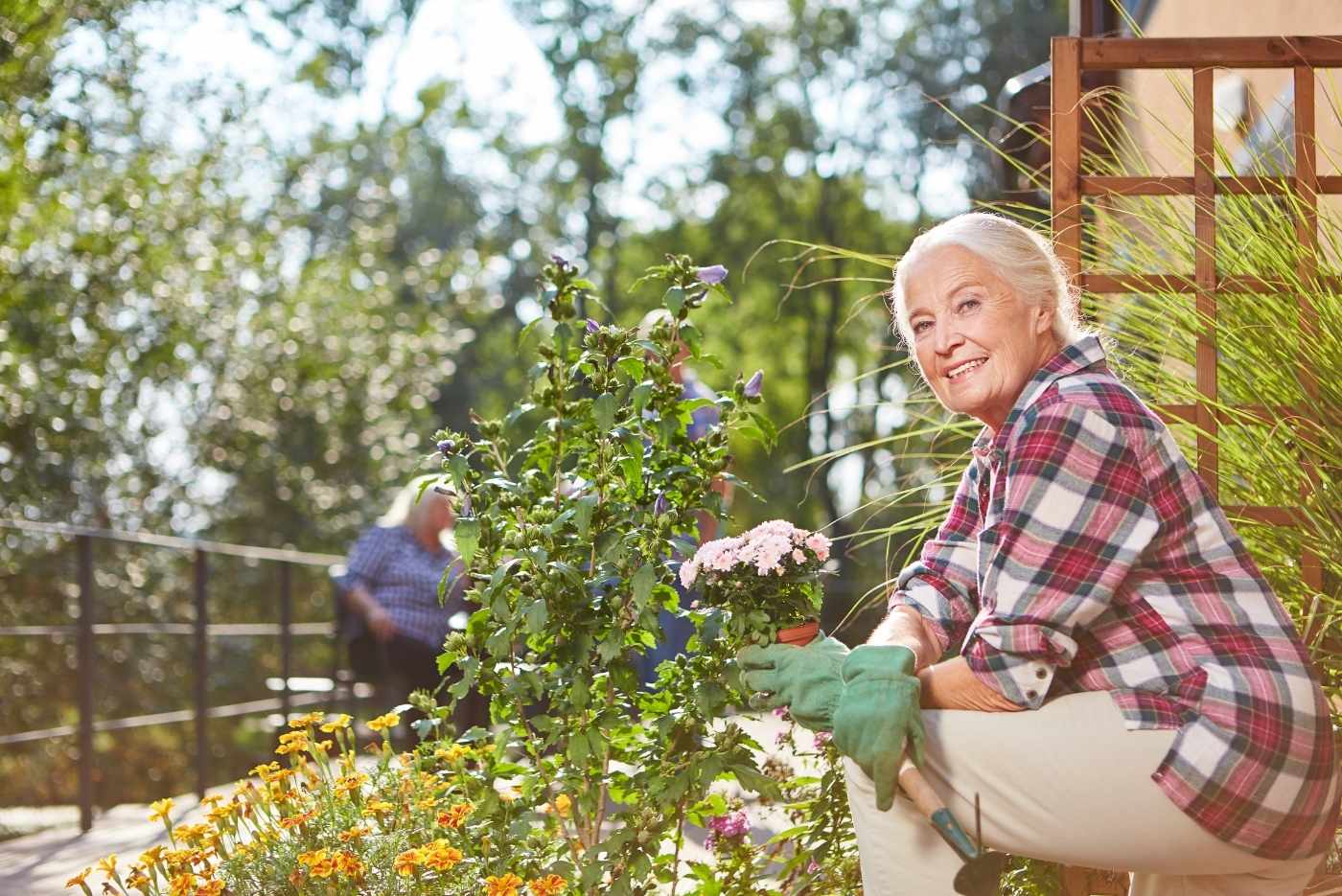
If the house feels a little smaller now that you’re both around more, carve out personal hobby time. Even a quiet hour each day set aside for reading, gardening, journalling, or learning something new can help you recharge.
If you’re missing the camaraderie of work, think about:
- joining a social club or Men’s Shed group
- volunteering with a local charity or community organisation
- mentoring younger professionals in your old field
- organising weekly catch ups with retired friends — tennis, walking, coffee, you name it
Retirement should enhance your relationships, not strain them. A balance of connection and independence goes a long way.
3. Do we want to challenge our body or our brain?
Many retirees find that if they’ve been highly engaged at work, they miss the mental stimulation. Others find that without the structure of a workday, their exercise habits slip.
Think about what feels like it’s “missing,” then build a hobby around that:
- For mental stimulation: try lifelong learning through TAFE short courses, U3A classes, writing, painting, pottery, photography, or woodworking.
- To keep up with technology: ask your kids or grandkids what apps and tools they’re using — it’s a fun way to stay connected and keep your mind active.
- For physical health: if traditional gyms aren’t your thing, consider bushwalking groups, indoor swimming, Pilates, or online fitness classes you can try at home. Many Australian fitness providers now offer low cost or free online trial sessions.
Retirement can last decades. Finding activities that keep your body mobile and your mind sharp will set you up for a richer, healthier life.
Try new things — often
One thing we consistently see among happy retirees is a willingness to experiment. Not every hobby will stick, and that’s perfectly fine. Trying something new keeps your weeks fresh and helps you discover the kind of lifestyle that truly suits you.
If you’d like help exploring how your financial plan can support new hobbies — let’s schedule a meeting or video chat. Together, we can build a retirement lifestyle that gives you purpose, enjoyment, and freedom.
Information on this site may be regarded as general advice. That is, your personal objectives, needs or financial situations were not taken into account when preparing this information. Accordingly, you should consider the appropriateness of any general advice we have given you, having regard to your own objectives, financial situation and needs before acting on it. Where the information relates to a particular financial product, you should obtain and consider the relevant product disclosure statement before making any decision to purchase that financial product.




Grow, protect and enjoy what matters most.
Want to make confident financial decisions so you can grow, protect and enjoy what matters most, in every season of life?
Book your consultation